Podcast: Play in new window | Download (Duration: 27:44 — 25.5MB) | Embed
Subscribe: Spotify | TuneIn | RSS | More

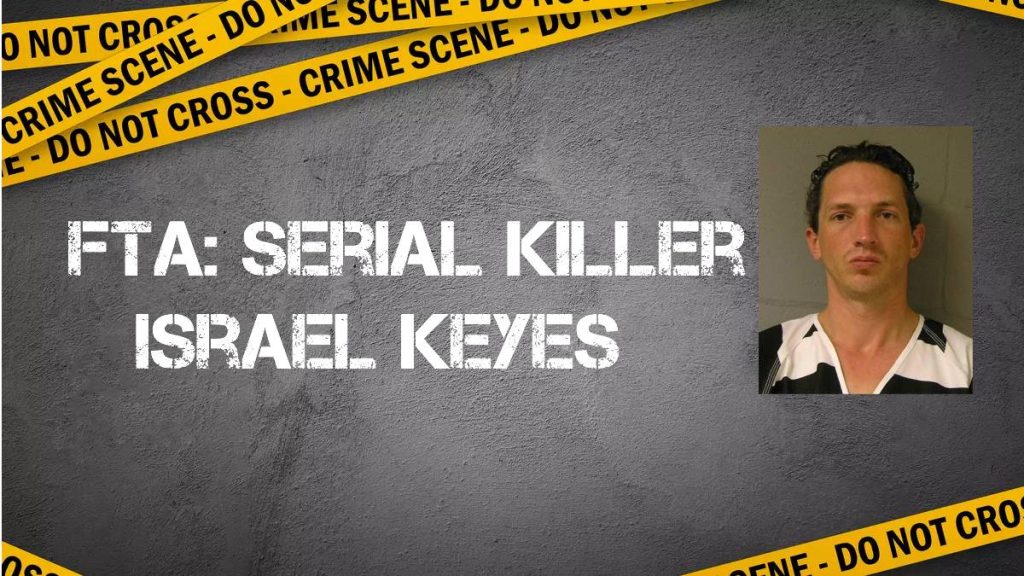
In one of my last episodes, I profiled Israel Keyes, a serial killer who moved to Anchorage in 2007. Many serial-killer experts consider Keyes to be one of the most intelligent, organized serial killers of all time. He randomly chose victims who lived thousands of miles from his home, and he stashed murder kits around the country, planning to access them at some future date. It is easy to understand why Israel Keyes wasn’t captured sooner than he was. He methodically planned his crimes and always had an exit strategy. He only began making mistakes when his murderous impulses grew too strong for him to control, and these mistakes led to his apprehension.
Around the same time Israel Keyes was active, another serial killer stalked the residents of Anchorage, but the story of Joshua Wade and his crimes is far different than that of Israel Keyes. Investigators consider Wade intelligent, but he did not stalk his victims or plan his crimes. His crimes were sloppy, happened on the spur of the moment, and usually were the result of him losing his temper. The legal system should have stopped Joshua Wade long before it did.
Sources:
Boots, Michelle Theriault. “Alaska Serial Killer Joshua Wade dies in Indiana prison.” June 20, 2024. Anchorage Daily News.
“Convicted Killer Joshua Wade Claims Responsibility for Additional Murders.” June 20, 2014. U.S. Attorney’s Office, Anchorage.
Francis, Monte. Ice and Bone. Tracking an Alaskan Serial Killer. 2016. Denver, CO. WildBlue Press.
“Joshua Wade – I Am Not a Serial Killer – Confesses to 5 Murders.” n.d. WickedWe.
Shedlock, Jezy and Jill Burke. “Authorities: Joshua Wade admits to 3 additional killings.” June 20, 2014. Anchorage Daily News.
__________________________________________________

Now Available at 25% off the Cover Price in The Reader’s and Writers Facebook Club Christmas Book Bazaar

_________________________________________________________________________
IF YOU ENJOY LISTENING TO YOUR NOVELS, CHECK OUT THE AUDIOBOOK VERSION OF
MASSACRE AT BEAR CREEK LODGE
 ________________________________
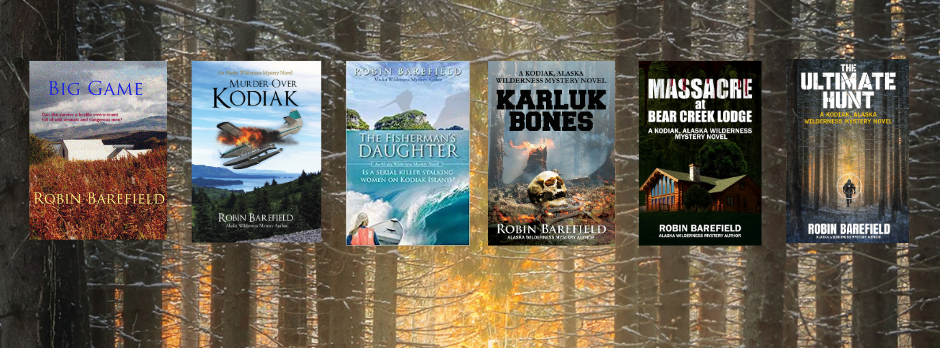
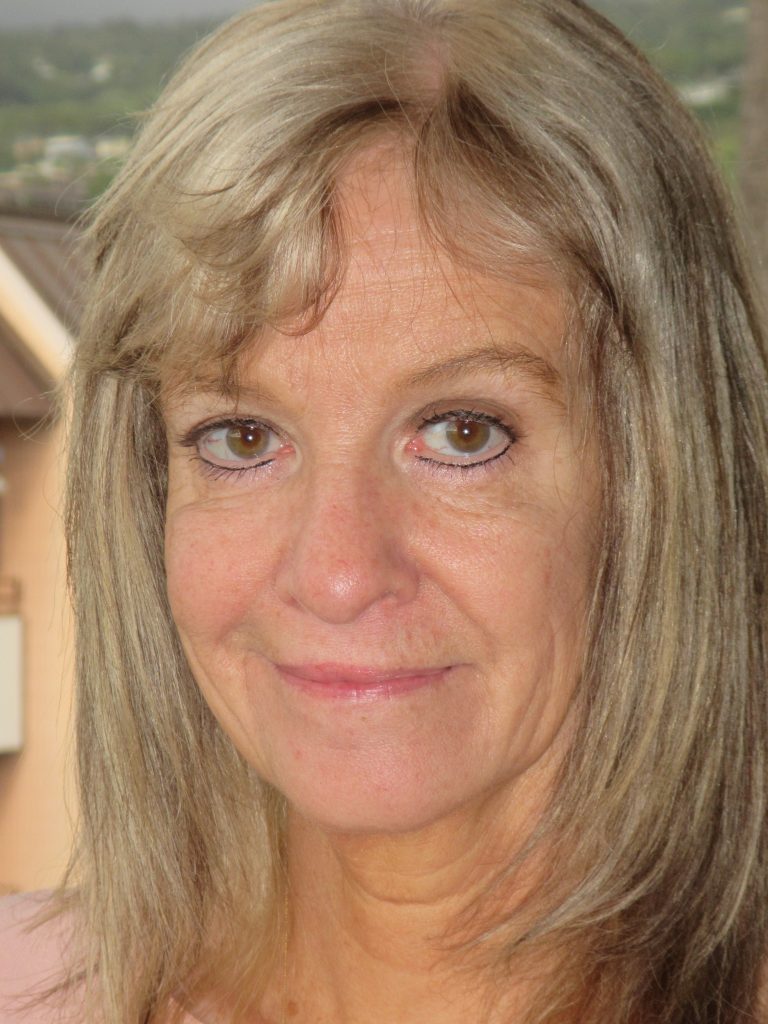
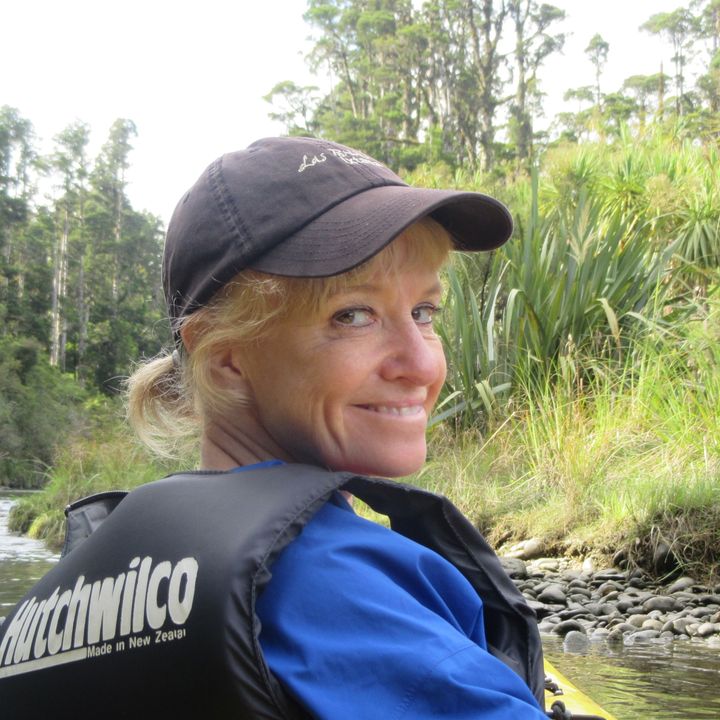 Robin Barefield lives in the wilderness on Kodiak Island, where she and her husband own a remote lodge. She has a master’s degree in fish and wildlife biology and is a wildlife-viewing and fishing guide. Robin has published six novels: Big Game, Murder Over Kodiak, The Fisherman’s Daughter, Karluk Bones, Massacre at Bear Creek Lodge, and The Ultimate Hunt. She has also published two non-fiction books: Kodiak Island Wildlife and Murder and Mystery in the Last Frontier. She draws on her love and appreciation of the Alaska wilderness as well as her scientific background when writing.
Robin invites you to join her at her website: https://robinbarefield.com, and while you are there, sign up for her free monthly newsletter about true crime in Alaska. Robin also narrates a podcast, Murder and Mystery in the Last Frontier. You can find it at: https://murder-in-the-last-frontier.blubrry.net
Subscribe to Robin’s free, monthly Murder and Mystery Newsletter for more stories about true crime and mystery from Alaska.
Join her on:
Facebook
Instagram
Twitter
LinkedIn
Visit her website at http://robinbarefield.com
Check out her books at Author Masterminds
___________________________________________________________________________________
 If you would like to support Murder and Mystery in the Last Frontier? Become a patron and join The Last Frontier Club.
Each month Robin will provide one or more of the following to club members.
· An extra episode of Murder and Mystery in the Last Frontier available only for club members.
Behind-the-scenes glimpses of life and wildlife in the Kodiak wilderness.
· Breaking news about ongoing murder cases and new crimes in Alaska
____________________________________________________________________________________________
Merchandise! Visit the Store

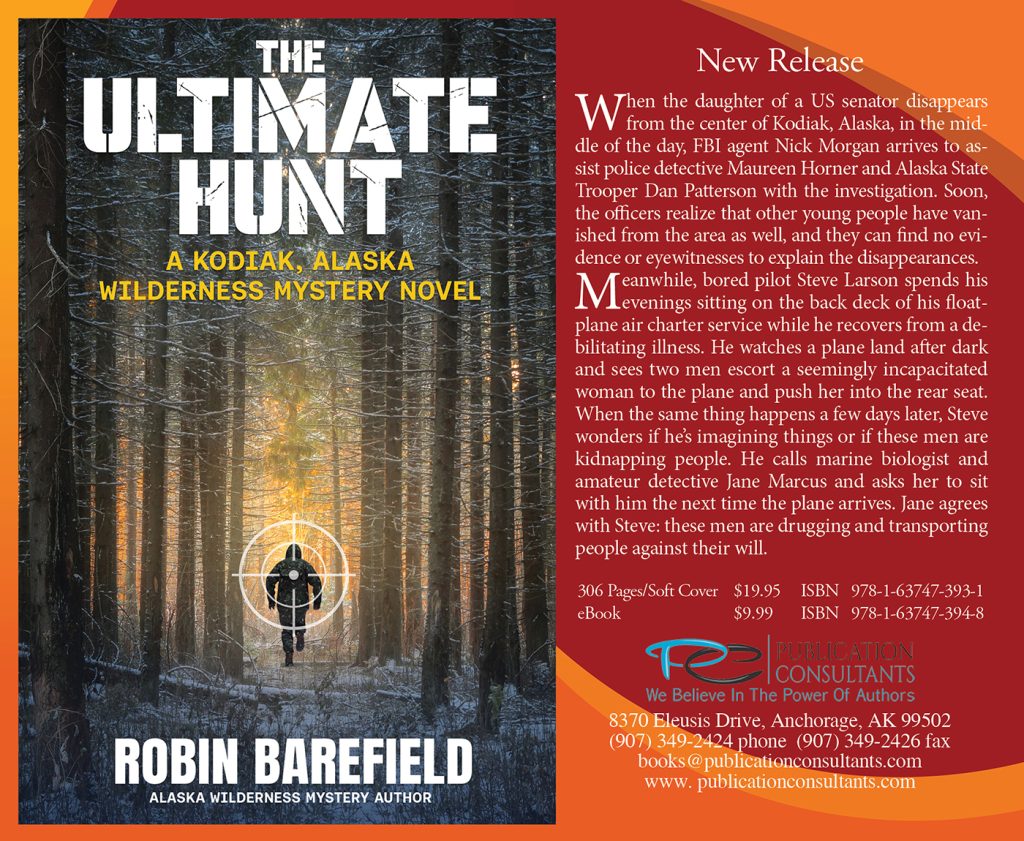

 Robin Barefield is the author of five Alaska wilderness mystery novels,