Podcast: Play in new window | Download (Duration: 34:41 — 31.8MB) | Embed
Subscribe: Spotify | TuneIn | RSS | More
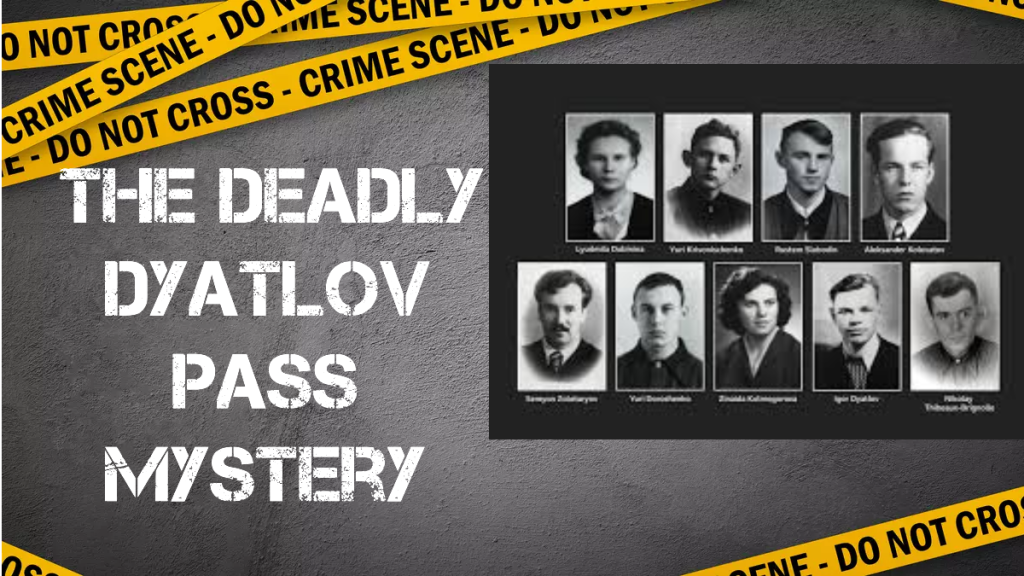
On January 23, 1959, ten hikers embarked on a wilderness hiking/skiing expedition into the Ural Mountains in the Eastern Soviet Union. Most of the hikers were students at Sverdlovsk’s Ural Polytechnic Institute (UPI). One of the hikers began to feel ill and left the group early, but when the remaining nine hikers did not return to the Institute by February 20, searchers began looking for them. Their horrific discovery persists as one of the great mysteries of the northern wilderness.
___________
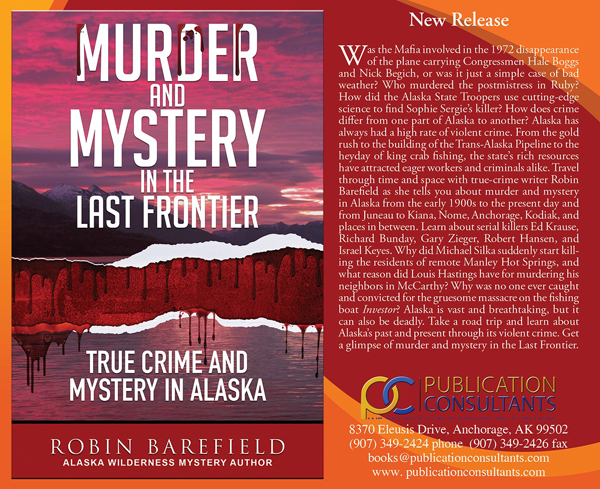
For More Stories of Murder and Mystery
___________________
___________________
Join the Last Frontier Club’s Free Tier

______
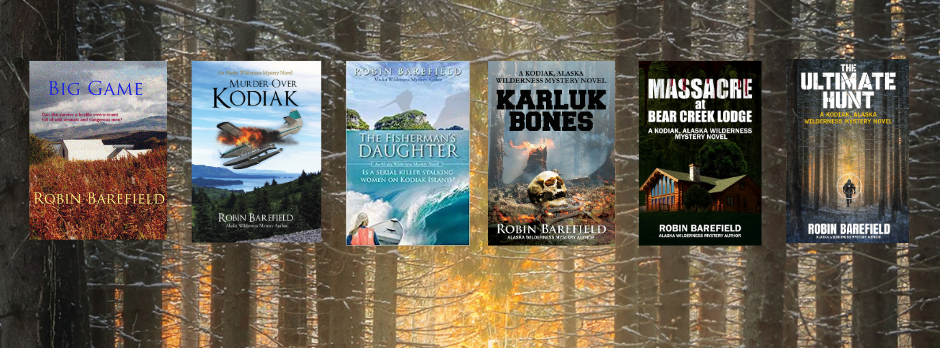
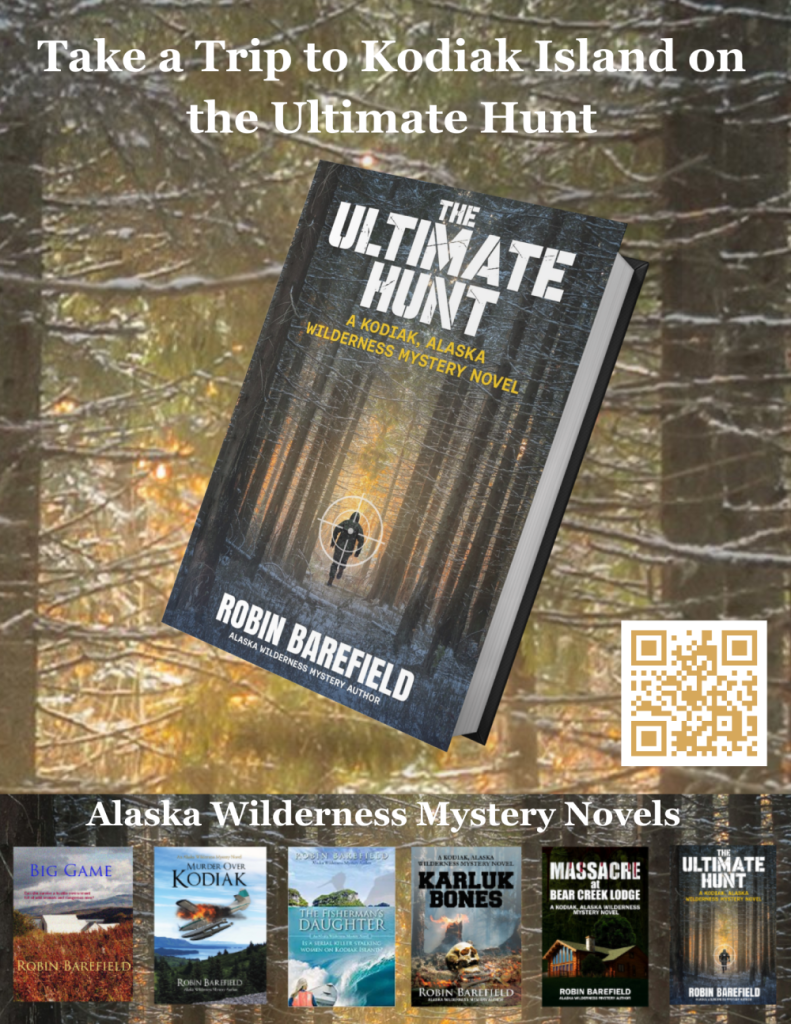
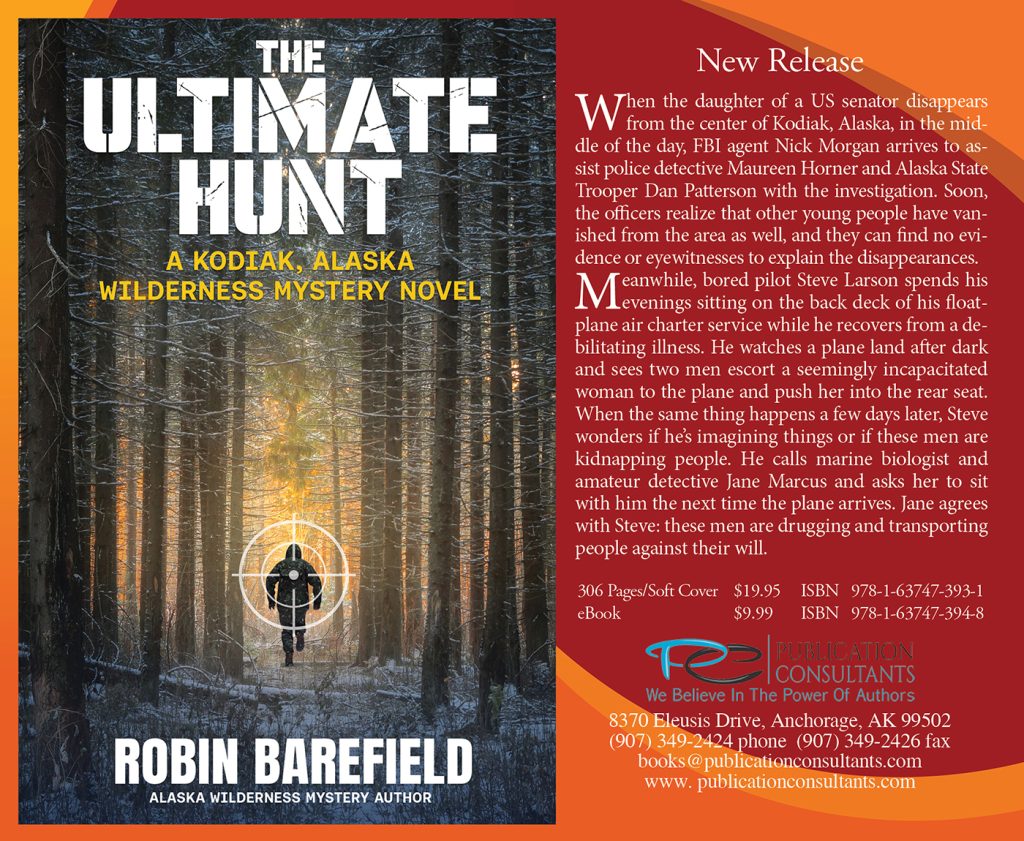
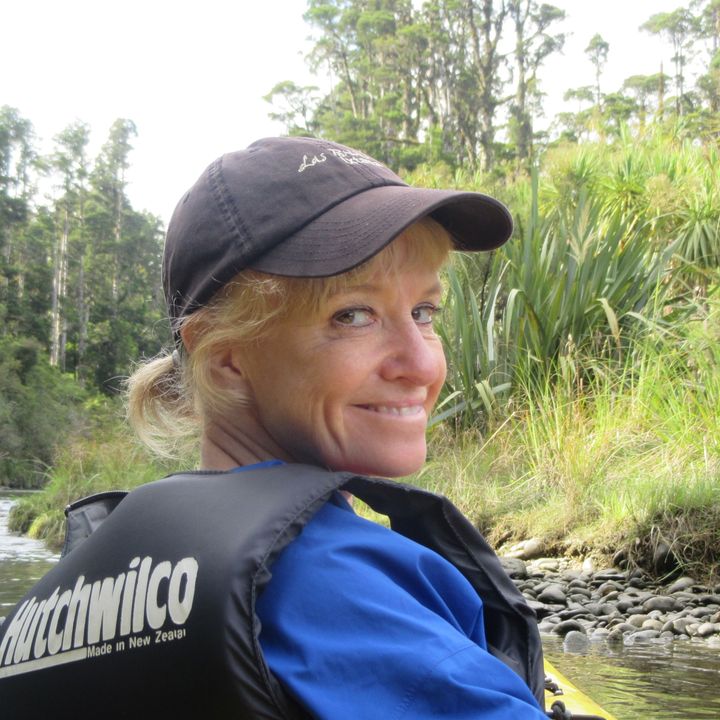 Robin Barefield lives in the wilderness on Kodiak Island, where she and her husband own a remote lodge. She has a master’s degree in fish and wildlife biology and is a wildlife-viewing and fishing guide. Robin has published six novels: Big Game, Murder Over Kodiak, The Fisherman’s Daughter, Karluk Bones, Massacre at Bear Creek Lodge, and The Ultimate Hunt. She has also published two non-fiction books: Kodiak Island Wildlife and Murder and Mystery in the Last Frontier. She draws on her love and appreciation of the Alaska wilderness as well as her scientific background when writing.
Robin invites you to join her at her website: https://robinbarefield.com, and while you are there, sign up for her free monthly newsletter about true crime in Alaska. Robin also narrates a podcast, Murder and Mystery in the Last Frontier. You can find it at: https://murder-in-the-last-frontier.blubrry.net
Subscribe to Robin’s free, monthly Murder and Mystery Newsletter for more stories about true crime and mystery from Alaska.
Join her on:
Facebook
Instagram
Twitter
LinkedIn
Visit her website at http://robinbarefield.com
Check out her books at Amazon
Send me an email: robinbarefield76@gmail.com
___________________________________________________________________________________
Would you like to support Murder and Mystery in the Last Frontier? Become a patron and join The Last Frontier Club.
Each month, Robin will provide one or more of the following to club members.
· An extra episode of Murder and Mystery in the Last Frontier is available only for club members.
Behind-the-scenes glimpses of life and wildlife in the Kodiak wilderness.
· Breaking news about ongoing murder cases and new crimes in Alaska
____________________________________________________________________________________________
Merchandise! Visit the Store
 ________________________________
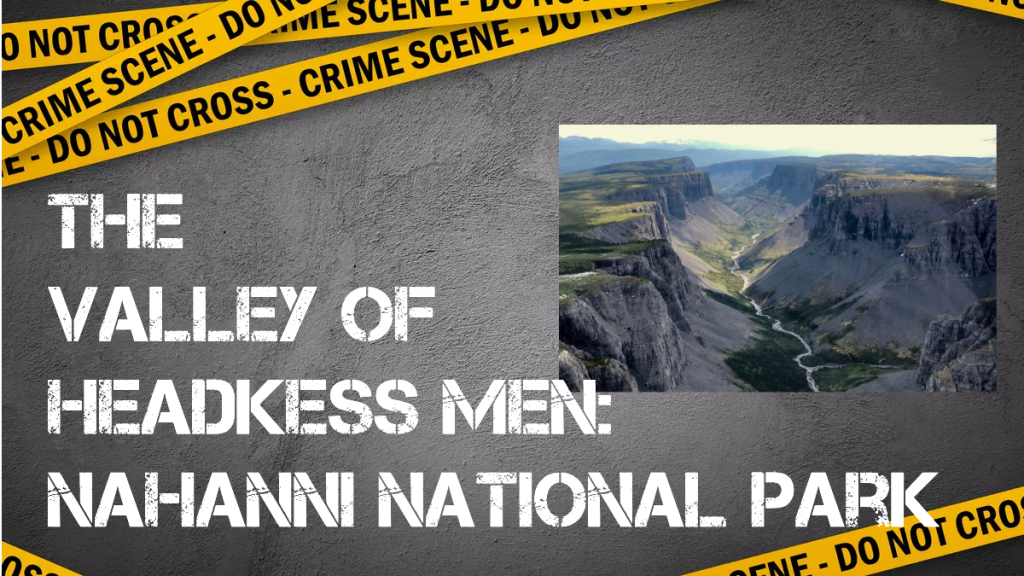
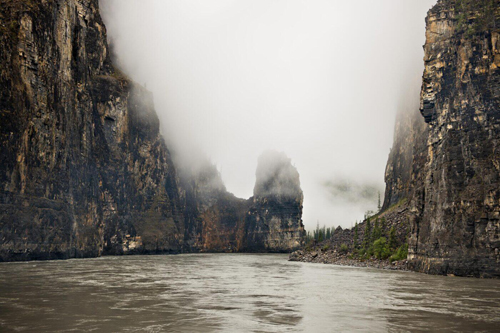 Berge, Chloe. “The haunting history of this Canadian National Park.” March 9, 2020. Fodors.com.

 Robin Barefield is the author of five Alaska wilderness mystery novels,